سلطنتِ عثمانیہ: عظمت اور زوال کی ایک داستان
ہالینڈ(ڈیلی روشنی نیوز انٹرنیشنل )سلطنتِ عثمانیہ تاریخِ عالم کی ان چند عظیم الشان ریاستوں میں سے ایک ہے جس نے تین براعظموں یعنی ایشیا، یورپ اور افریقہ پر لگ بھگ چھ سو سال تک اپنی دھاک بٹھائے رکھی۔ اس عظیم سلطنت کی بنیاد تیرہویں صدی کے اواخر میں اناطولیہ کی ایک چھوٹی سی ترک ریاست کے طور پر عثمان اول نے رکھی، لیکن وقت کے ساتھ ساتھ یہ ایک ایسی عالمی قوت بن گئی جس نے مشرق اور مغرب کے درمیان ایک پل کا کام کیا۔ عثمانیوں کی اصل طاقت ان کا مضبوط فوجی نظام، بہترین نظم و ضبط اور انصاف پر مبنی حکمرانی تھی، جس کی وجہ سے انہوں نے بازنطینی سلطنت جیسی قدیم طاقتوں کو شکست دے کر اپنی قلمرو میں اضافہ کیا۔
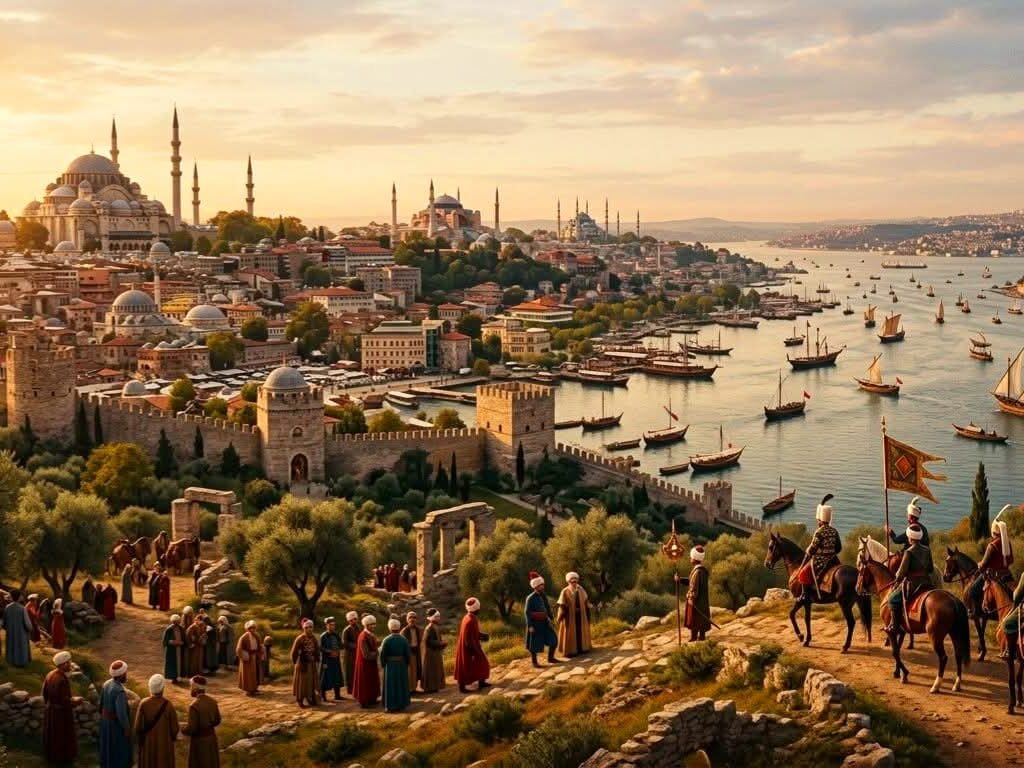
اس سلطنت کی تاریخ کا سب سے اہم موڑ 1453ء میں سلطان محمد فاتح کے ہاتھوں قسطنطنیہ کی فتح تھا، جس نے نہ صرف ایک نئے عہد کا آغاز کیا بلکہ اسلام کو یورپ کے دروازوں تک پہنچا دیا۔ اس کے بعد سلطان سلیم اول اور خاص طور پر سلطان سلیمان عالیشان کے دور میں یہ سلطنت اپنے عروج پر پہنچی، جب اس کی سرحدیں ویانا کی دیواروں سے لے کر خلیج فارس تک پھیلی ہوئی تھیں۔ اس عہد میں نہ صرف فتوحات ہوئیں بلکہ علم و ادب، فنِ تعمیر اور قانون سازی میں بھی بے مثال ترقی ہوئی۔ عثمانی فنِ تعمیر کی جھلک آج بھی استنبول کی نیلی مسجد اور سلیمانیہ مسجد کی صورت میں دیکھی جا سکتی ہے جو ان کی فنی بصیرت کا منہ بولتا ثبوت ہیں۔
سلطنتِ عثمانیہ کی ایک خاص بات اس کا کثیر الثقافتی اور کثیر المذہبی معاشرہ تھا جہاں مختلف مذاہب اور نسلوں کے لوگ ایک ساتھ رہتے تھے۔ "ملت سسٹم” کے تحت غیر مسلموں کو اپنے مذہبی معاملات میں کافی حد تک آزادی حاصل تھی۔ تاہم، اٹھارہویں صدی کے بعد صنعتی انقلاب سے دوری، اندرونی سازشوں، کمزور جانشینوں اور قوم پرستی کی لہروں نے اس عظیم ڈھانچے کو کمزور کرنا شروع کر دیا جسے "یورپ کا مردِ بیمار” کہا جانے لگا۔ پہلی جنگِ عظیم میں شمولیت اس کے تابوت میں آخری کیل ثابت ہوئی اور بالآخر 1922ء میں خلافت کے خاتمے اور جدید ترکی کے قیام کے ساتھ اس طویل داستان کا اختتام ہوا۔
The Ottoman Empire: A Saga of Grandeur and Decline
The Ottoman Empire stands as one of the most magnificent and enduring dynasties in world history, spanning across three continents—Asia, Europe, and Africa—for nearly six centuries. Founded at the end of the 13th century by Osman I as a small Turkic principality in Anatolia, it evolved into a global superpower that bridged the gap between the East and the West. The true strength of the Ottomans lay in their formidable military organization, disciplined administration, and a governance system that balanced central authority with local autonomy, allowing them to eventually dismantle the ancient Byzantine Empire.
The most pivotal moment in Ottoman history occurred in 1453 when Sultan Mehmed the Conqueror captured Constantinople, marking the end of the Middle Ages and heralding a new era of Islamic influence in Europe. Following this, under leaders like Sultan Selim I and especially Suleiman the Magnificent, the empire reached its zenith. During this golden age, Ottoman borders stretched from the gates of Vienna to the Persian Gulf. This era was characterized not just by military conquest, but by profound advancements in science, literature, law, and architecture. The breathtaking domes of the Blue Mosque and the Süleymaniye Mosque remain enduring symbols of their artistic and engineering genius.
A defining feature of the Ottoman Empire was its multicultural and multi-religious fabric. Through the "Millet System,” diverse ethnic and religious groups coexisted, maintaining their own legal and cultural traditions under the Sultan’s protection. However, starting in the 18th century, the empire began to struggle against internal corruption, a lack of industrialization, and the rising tide of nationalism. Eventually labeled the "Sick Man of Europe,” the empire’s involvement in World War I led to its final dissolution. In 1922, the sultanate was abolished, making way for the birth of the modern Republic of Turkey and closing one of history’s longest and most influential chapters.
#OttomanEmpire #History #IslamicHistory #Istanbul #SultanSuleiman #WorldHistory #سلطنت_عثمانیہ #تاریخ #اسلامی_تاریخ #خلافت